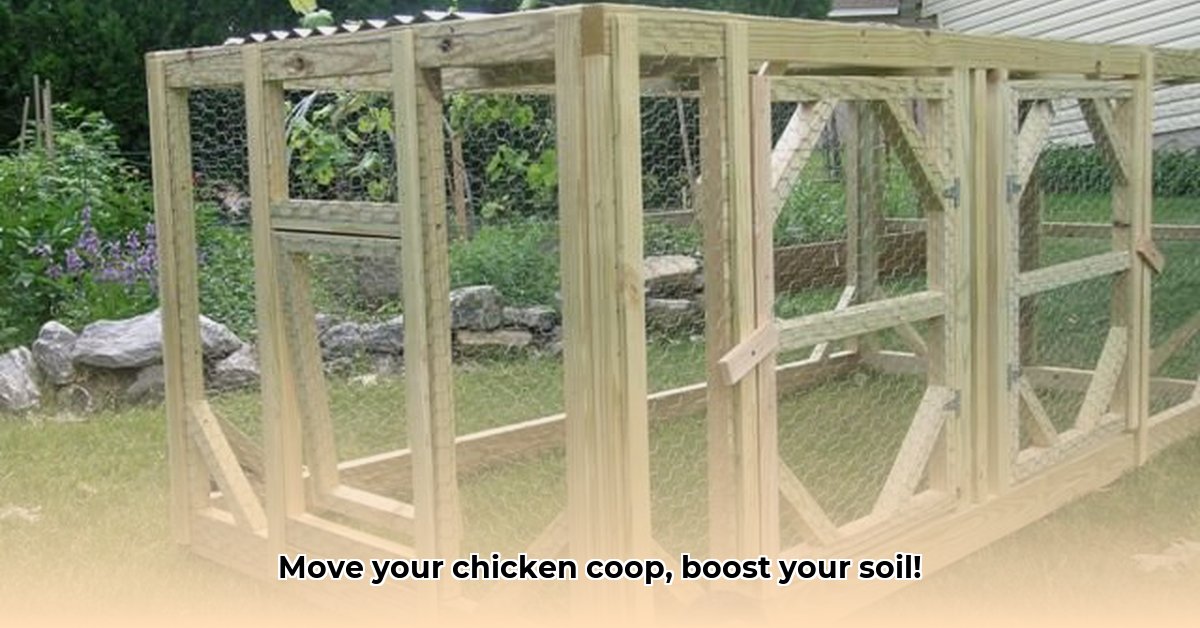
Large Chicken Tractor with Wheels: Your Guide to Mobile Poultry Keeping
Tired of overgrazed pastures and mountains of chicken manure? A mobile chicken coop, or "chicken tractor," offers a sustainable and efficient solution. This comprehensive guide provides step-by-step instructions for building, using, and maintaining a large chicken tractor, transforming your poultry keeping and soil health. This isn't just about building a coop; it's about creating a thriving ecosystem. For more detailed plans, check out this helpful resource.
Why Go Mobile with a Chicken Tractor?
A stationary coop confines chickens to a small area, leading to overgrazing, soil depletion, and potential health problems. A chicken tractor, however, mimics the natural foraging behavior of chickens. Isn't that exactly what we want to achieve in sustainable agriculture?
This mobile setup offers several key advantages:
Improved Soil Health: Chicken droppings act as natural fertilizer, enriching the soil as the tractor is moved to different pasture locations. This eliminates the need for synthetic fertilizers, boosting soil fertility and reducing environmental impact. Studies show that mobile poultry systems can significantly improve soil nutrient content.
Enhanced Pasture Management: Rotating the tractor prevents overgrazing and allows pastures to recover, promoting biodiversity and healthy plant growth. This rotational grazing technique is a cornerstone of sustainable agriculture, mirroring natural grazing patterns.
Happier, Healthier Chickens: Chickens enjoy fresh air, sunshine, and the opportunity to forage naturally. This reduces stress and improves their overall health and well-being. A happy chicken is a productive chicken!
Simplified Manure Management: The droppings are naturally deposited across the pasture, eliminating the need for frequent and labor-intensive coop cleaning. This dramatically simplifies chore workload.
Building Your Mobile Chicken Haven: A Step-by-Step Guide
Building a large chicken tractor is achievable with careful planning and the right instructions. Let’s get started!
Step 1: Planning and Blueprint
Assess Your Needs: Determine the number of chickens, their space requirements (allowing approximately 4 square feet per bird), and the size of your pasture. Larger tractors require fewer moves but might be more challenging to manage.
Design Your Tractor: Sketch your design, considering dimensions, door placement, ventilation, and materials. Simplicity is key. A basic rectangular design is both practical and easy to build.
Gather Materials: You’ll need pressure-treated lumber for durability, strong wire mesh (hardware cloth is excellent for smaller predators), heavy-duty casters, hinges, screws, plywood or metal sheeting for the floor, and roofing material. Always check local building codes.
Step 2: Construction – Let's Get Building!
Build the Frame: Construct a sturdy rectangular frame using the lumber. Ensure it's strong enough to support the weight of the chickens and materials.
Create the Floor: Install a durable floor using plywood or metal sheeting. Make sure it's level and securely attached to the frame to prevent leakage.
Attach the Wheels: Secure heavy-duty casters to the frame, ensuring they are firmly attached and rotate freely. This is critical for easy movement.
Add the Wire Mesh: Cover the sides and top with wire mesh, leaving sufficient ventilation, and securing it tightly to deter predators. Verify no gaps exist.
Install the Door: Build a secure, easily accessible door using strong hinges and a reliable latch.
Step 3: The Finishing Touches and Safety First!
Install Roosting Bars: Provide ample roosting bars inside.
Add Nesting Boxes (Optional): Include nesting boxes if egg production is desired.
Install a Roof: Add a weatherproof roof (tarpaulin or corrugated metal) to protect the chickens from the elements.
Predator Protection: Ensure all construction is secure, without gaps. Consider additional predator deterrents, such as electric fencing or guard animals.
Maintaining Your Mobile Chicken Paradise
Regular maintenance is crucial for a healthy flock and thriving pasture.
Clean Regularly: Remove droppings frequently to maintain a sanitary environment.
Regular Inspections: Inspect the tractor for damage and repair promptly.
Pasture Rotation: Move the tractor to a fresh area regularly, allowing previous areas to recover. How often should you move your chicken tractor? The answer depends on the size of the pasture and the number of chickens. Aim for roughly 1-2 weeks per location.
Monitor Chicken Health: Observe your flock for any signs of illness or distress.
Mobile Chicken Keeping: Weighing the Pros and Cons
| Pros | Cons |
|---|---|
| Rich soil amendment | Higher initial investment |
| Improved chicken health and welfare | Requires regular moving and maintenance |
| Reduced parasite and disease prevalence | Potential for weather damage |
| Simplified manure management | Needs sufficient pasture land |
| Sustainable land management | Vulnerability to predators (if not well-secured) |
How to Finance Mobile Chicken Tractor Adoption for Small Sustainable Farms
Building a chicken tractor represents a significant investment. Consider these financing options:
Personal Savings: The most straightforward approach.
Small Business Loans: Banks and credit unions offer loans to support agricultural endeavors. A strong business plan is crucial.
Grants and Subsidies: Research grants and subsidies offered to support sustainable farming practices.
Crowdfunding: Platforms like Kickstarter can help secure funding through public contributions.
Bartering: Explore opportunities to barter goods or services with other farmers or businesses.
Remember, a chicken tractor isn't just a coop; it's an investment in a more sustainable and productive farming system. Careful planning, diligent maintenance, and strategic financing are essential for success.